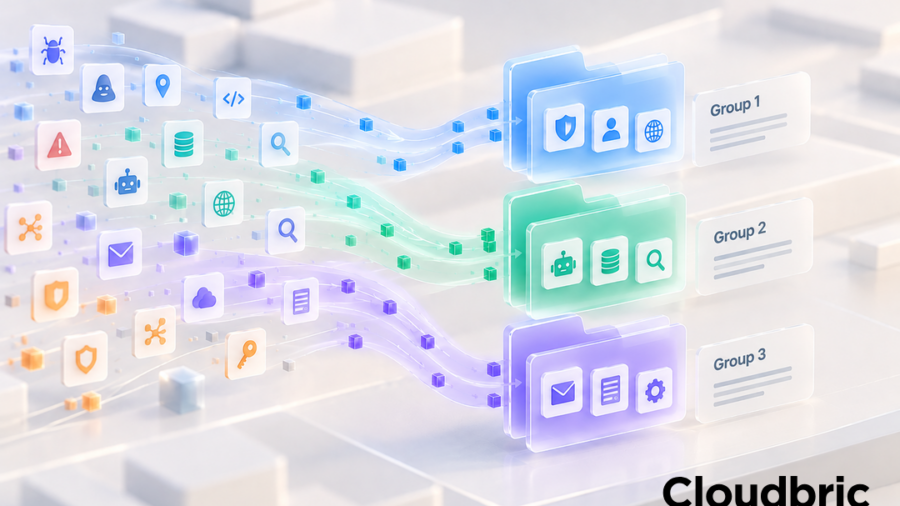
AI crawlers that collect web content are increasing, while AI agents are beginning to go beyond reading information and interact with websites on behalf of users. As a result, the distinction between different bot roles is becoming less clear. For security teams, the task is no longer limited to detecting and blocking bots. They also need to decide which AI-driven automated traffic s ...
How API Functions Can Be Abused Through Automated Attacks
APIs allow external access to key service functions such as login, account registration, search, reservations, and payments. These functions are designed for normal service operations, but repeated automated requests can also be used in unintended ways. Attack requests do not always look unusual. Attackers can use normal API functions and valid request formats while automating the vol ...
Why are APIs more attractive to attackers than traditional web pages?
APIs have become a primary target because they handle the core functions and data behind digital services. A web page is the interface people use to access a service. Behind that interface, APIs often handle: User login and authentication Account and customer data retrieval Product search and inventory checks Order creation and payment process ...
What is SDP (Software Defined Perimeter)?
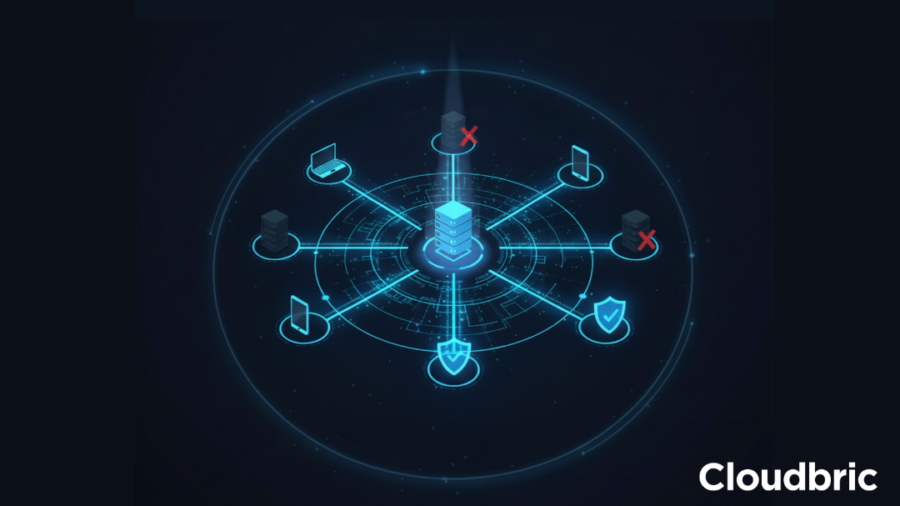
A Software Defined Perimeter (SDP) is a representative architecture that implements Zero Trust security principles in network access control. SDP aims to significantly reduce the network attack surface by completely hiding the existence of applications and services from unauthenticated and unauthorized users. In this way, organizations can strengthen Global Cybersecurity posture while al ...
What is Zero Trust Network Access (ZTNA)?
Zero Trust Network Access (ZTNA) is a next-generation remote access security model designed to replace traditional VPN-based perimeter security frameworks. As a core technology for implementing the principles of Zero Trust security in operational environments, ZTNA enforces application-level access control and grants even authenticated users only the minimum privileges necessary for thei ...
What is Zero Trust
What is Zero Trust? Zero Trust is a next-generation cybersecurity strategy built on the core principle of "Never Trust, Always Verify." Unlike traditional perimeter-based security models, Zero Trust treats every access request—regardless of origin, device, application, or transaction—as a potential threat. This model enforces continuous identity and access verification for all users and ...
How to Simplify Cloud Web Security in the Era of Cloud Expansion
Today, many enterprises are moving beyond single cloud environments and actively adopting multi-cloud and hybrid cloud strategies. As IT infrastructures expand across different platforms, cloud web security has become a foundational requirement for protecting business-critical services. Organizations now leverage multiple cloud providers based on operational needs and business objectives ...
Automated Bot Attacks: Trends and Response Strategies
Automated bot attacks have become one of the greatest threats in the web security environment. Recently, bot traffic has even surpassed human traffic in overall web sessions, significantly expanding the security risk. Traditional script‑based attacks have already shown their limitations, and the need to counter increasingly sophisticated automated attacks is growing.At the heart of this ...
What is a VPN (Virtual Private Network)?
A VPN (Virtual Private Network) is a core cybersecurity technology that enables secure data transmission over public networks, such as the internet, as if it were a private network. By applying encryption and tunneling methods during data transmission, a VPN protects users’ identities, locations, and data contents, keeping sensitive information safe from eavesdropping or hacking attempts ...
What is SaaS (Software as a Service)
With the rapid advancement of digital technologies, corporate IT environments are being reshaped at unprecedented speed. Traditional on-premises models, which require significant time and resources for infrastructure setup and maintenance, are increasingly showing their limitations. In response, companies are seeking more agile and flexible approaches to IT operations.SaaS (Software as a ...